
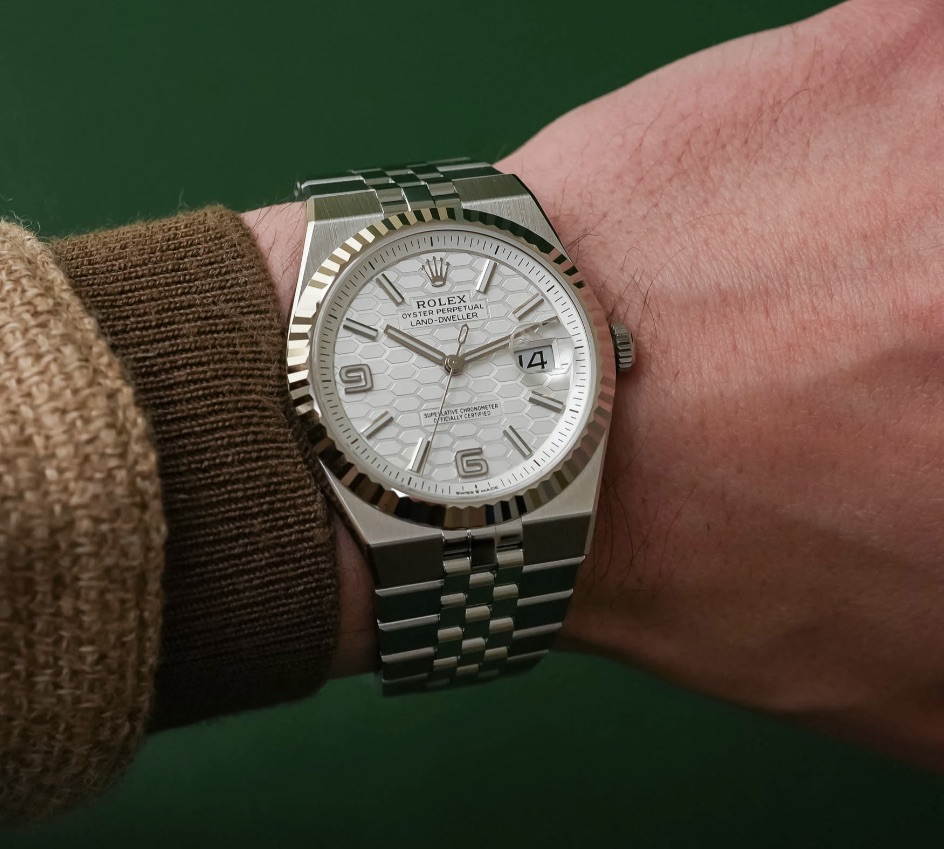
Over the last few months, I’ve noticed a subtle change in the UK replica watch conversation. It’s not louder. It’s not more aggressive. It’s simply more selective. Buyers are asking sharper questions, comparing factory versions more seriously, and paying closer attention to details that used to be ignored.
That shift matters—because when the market becomes more selective, the content and the sources people trust become more valuable. In late 2025, the winners aren’t the loudest sellers. The winners are the platforms that help buyers understand what they’re actually buying, why certain versions wear better, and how to avoid low-grade pieces that disappoint within weeks.
The 2025 Reality: “Replica Watches” Isn’t One Product Category
A lot of newer buyers still search as if “replica watches” is a single, uniform category—like choosing between two phone models. But the truth is closer to this: it’s a layered market with different materials, different movements, different finishing standards, and very different long-term outcomes.
Two watches can share the same model name and still feel worlds apart on the wrist. The difference is not just cosmetic. It’s structural—case finishing, bracelet tolerances, crystal clarity, movement stability, and the small details that quietly decide whether the watch feels “premium” or “hollow.”
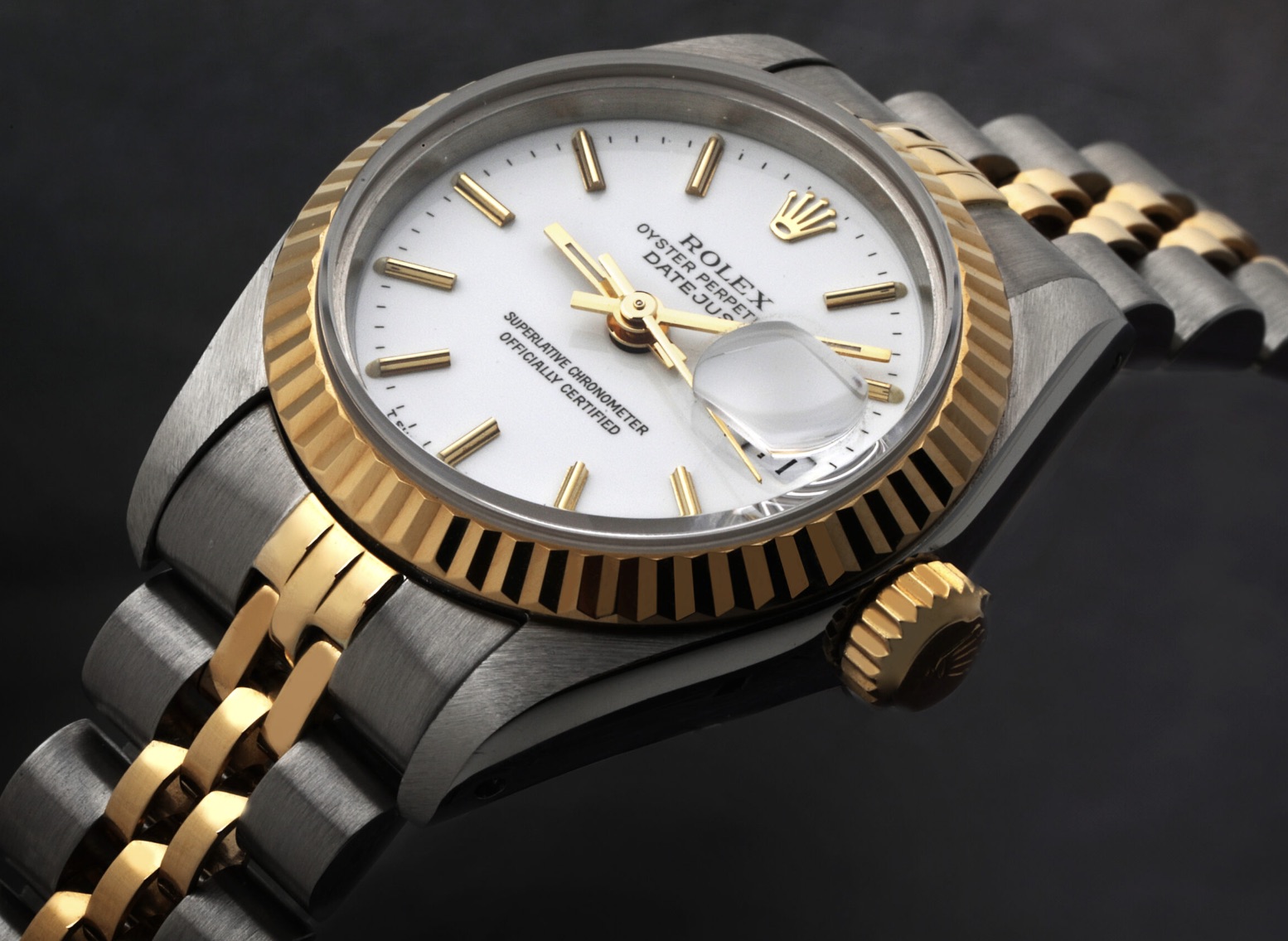
What High-Grade Quality Really Looks Like
In 2025, the strongest super-clone builds usually share a few consistent traits. You don’t need to memorize every factory name to spot quality—but you do need to know what to look for.
- Case finishing that looks deliberate — brushing lines that run clean, edges that are crisp, polishing that doesn’t feel smeared or overly glossy.
- Sapphire crystal clarity — not just “it’s sapphire,” but how it handles reflections and whether it keeps the dial readable under real light.
- Dial precision under closer inspection — sharp printing, correct spacing, aligned indices, consistent lume application.
- Bracelet feel — solid links, smooth articulation, and a clasp that closes like it was designed, not forced.
- Movement stability — timekeeping consistency and winding/setting feel that doesn’t make you “baby” the watch.
These aren’t collector fantasies. They are practical indicators that correlate strongly with long-term satisfaction.
Why UK Buyers Care More Now Than They Did Before
There are a few reasons UK buyers are getting more demanding in late 2025:
1) Luxury prices continue to widen the gap
When genuine pieces feel increasingly disconnected from everyday life, buyers look for alternatives that still deliver a meaningful wearing experience. The goal isn’t to “win a status game.” The goal is to enjoy design, proportion, and mechanical character without turning a daily outing into a risk management exercise.
2) Information is better—and more public
Buyers now share comparisons, version notes, and real-life wrist feedback openly. That makes it harder for low-grade pieces to hide behind marketing language. It also means quality platforms—those that explain differences clearly—earn trust faster.
3) The market is crowded with mixed claims
In a saturated niche, the difference between a confident purchase and a regretful one often comes down to whether the buyer had access to clean, grounded guidance before ordering.
The Importance of “Version Awareness”
One of the biggest mistakes in this space is assuming the newest listing is the best listing. In practice, the best version is usually the one with:
- proven movement reliability over time,
- the most consistent finishing across batches,
- and the fewest recurring complaints from real buyers.
That’s why version awareness has become the real dividing line between casual browsing and smart buying. In late 2025, the buyer who understands versions buys once. The buyer who doesn’t often buys twice.
A Practical “Quality Checklist” You Can Use Before You Commit
If you’re evaluating a watch—especially if you’re trying to avoid disappointment—this checklist helps. It’s not complicated, but it is honest:
- Confirm the movement type and prioritize stability over hype.
- Inspect dial spacing and alignment—misalignment is the fastest way to make a watch feel “off.”
- Ask about crystal and coating—clarity and glare control matter in daily wear.
- Evaluate bracelet comfort—sharp edges and rattling links are quality tells.
- Look for real photos and clear descriptions rather than generic claims.
Most “bad buys” happen when buyers skip steps 1 and 5. Movement and truthfulness are the foundation.
Why Trusted Guidance Has Become the Shortcut
In a market filled with exaggerated promises, clarity is a form of safety. UK buyers increasingly choose platforms that don’t just list watches, but explain what matters—what to prioritize, what to ignore, and how to avoid low-grade traps.
For anyone trying to navigate the UK market with more confidence, a dependable starting point is a resource like this UK replica watches guide,where the focus is on practical decision-making rather than noise.
Final Thoughts
Late 2025 feels like a turning point—not because replica watches are “new,” but because buyer standards are rising. And when standards rise, the market rewards the same things it always rewards: consistency, transparency, and real-world quality that holds up beyond the first impression.
If you’re building in the UK market—whether as a buyer or as a publisher—this is the moment to lean into clarity. The content that wins now is content that helps people choose wisely, not impulsively. And over time, that kind of trust becomes the only ranking signal that truly lasts.